
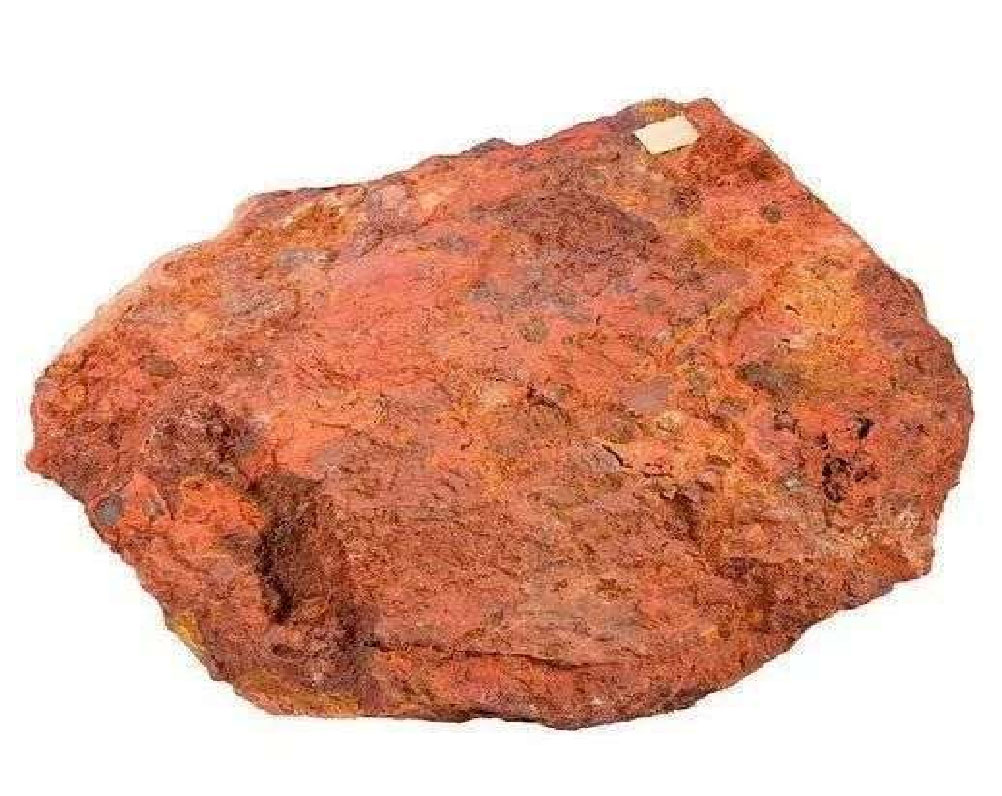
Bauxite
Bauxite is the most common ore of aluminium. Extraction of aluminium metal takes place in three main stages: mining of
bauxite ore, refining the ore to recover alumina, and smelting alumina to produce aluminium. Other raw materials are
mined as aluminium ore, but their use is minor compared with bauxite.
The only significant bauxite deposits in Maharashtra are in Sindudurg. More than forty bauxite occurrences are known in
the area. These deposits were formed by deep weathering of early Tertiary Older Volcanics.
ost of the bauxite is
overlain by clay, sand and gravel. The bauxite from these sites has been used mainly as an additive to increase the
alumina content of cement.
The alumina content of the bauxite deposits in Sindudurg is generally greater than 52% with silica and iron impurities of
usually less than 5%. There are also minor deposits of bauxite at Goa and on the Karnataka Border in north.
Enquiry Now
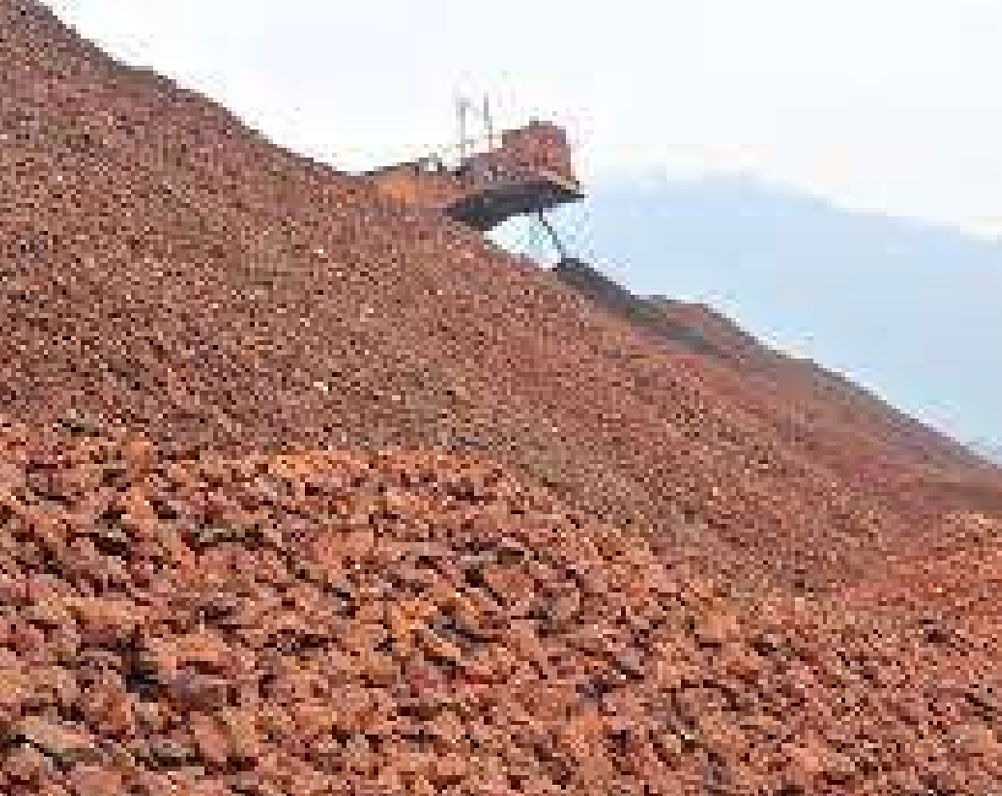
Iron Ore
Iron ore deposits of Chhattisgarh, Maharashtra Goa And Odisha state (grades available for exports from India
ranges from Fe 52% to Fe 57%) are associated with the rocks that are world over known to contain high-grade ores
(Hematite) i.e. Banded Iron Formation. These rocks are forming almost North-South trending narrow, highly
dissected and discontinuous hill ranges of about 370 km in length that are extending from Bailadilla to Rajhara in
southwestern Chhattisgarh occupying Dantewara, Bastar, Kanker, Narainpur, Rajnandgaon, Durg and Kawardha
districts.
Bailadilla iron ore deposits located in southern part of the range are world-class and being mined from the
leased area to National Mineral Development Corporation, Ltd. (NMDC). Iron ore of Dalli-Rajhara located in the
central parts of the range are captive mines of Bhilai Steel Plant (BSP).
Recently an iron ore bearing area is discovered in Kabirdham district and known as Eklama iron ore complex. This
area is expected to yield high-grade hematitic iron ore in substantial quantity and support iron & steel units.
At a few places, small deposits (including isolated patches) may be related to other geological phenomenon are
also known, which may not be economical for large establishment mine production. However, they can be used for
sponge iron units.
Enquiry Now
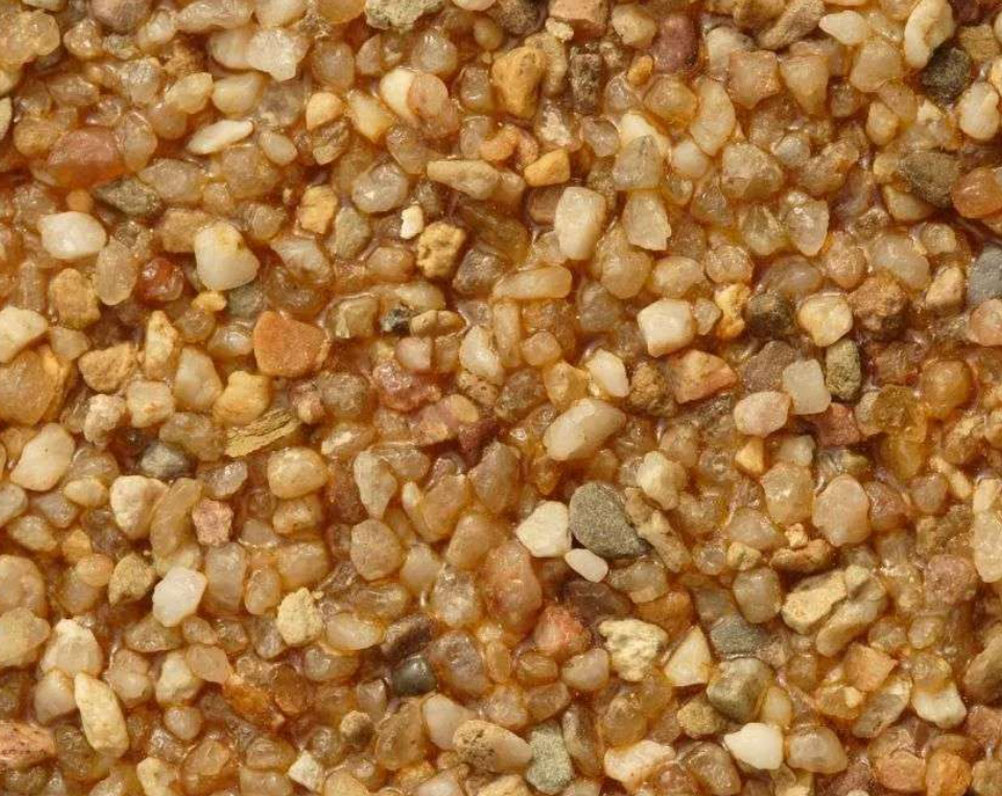
Silica Sand
Silica sand, also known as quartz sand or industrial sand, is a type of sand composed primarily of quartz, a
mineral with a high silica content (typically around 95%). It's made up of fine, angular grains of quartz, making it
a valuable material for various industrial applications due to its strength, durability, and inertness.
Composition:
Silica sand is primarily made up of silicon dioxide (SiO2), the chemical compound that forms quartz.
Formation:
It's formed naturally through the weathering and erosion of quartz-rich rocks.
Properties:
Silica sand is characterized by its hardness, strength, and resistance to chemical reactions.
Industrial Uses:
It's used in a wide range of industries, including:
• Glassmaking: High-purity silica sand is a key ingredient in glass production.
• Foundry: It's used in foundry operations for casting, particularly in steel castings.
• Abrasive: Its abrasive properties make it suitable for sandblasting and other abrasive processes.
• Hydraulic Fracturing (Fracking): It's used as a proppant in oil and gas extraction.
• Construction: It's used in concrete, asphalt, and other construction materials to enhance durability and
strength.
• Turf fields: Used as a structural component for infill and to support drainage and natural plant growth.
• Other uses: It's also used in filters, abrasives, and other applications,
Enquiry Now